
Emotional Order at Home: How Interior Design Influences Calm, Focus and Daily Habits
A home is more than a place to sleep or store belongings. The arrangement of furniture, lighting, colours and everyday objects affects mood, concentration and behaviour in subtle but measurable ways. Research in environmental psychology has shown that people respond emotionally to their surroundings, often without consciously noticing it. A thoughtfully organised interior can support relaxation, productive work and healthier routines, while a chaotic environment may increase stress, distract attention and make everyday tasks feel more demanding.
Why Physical Surroundings Affect Emotional Well-Being
The human brain constantly processes visual information from the environment. When rooms contain excessive clutter, unfinished tasks or disorganised storage, the brain receives a continuous stream of signals competing for attention. This can contribute to mental fatigue and make it harder to focus on important activities.
Colour schemes also influence emotional responses. Soft neutral tones, natural materials and balanced contrasts often create a sense of stability and comfort. Bright colours can add energy and creativity when used carefully, but excessive visual stimulation may lead to restlessness in spaces intended for relaxation.
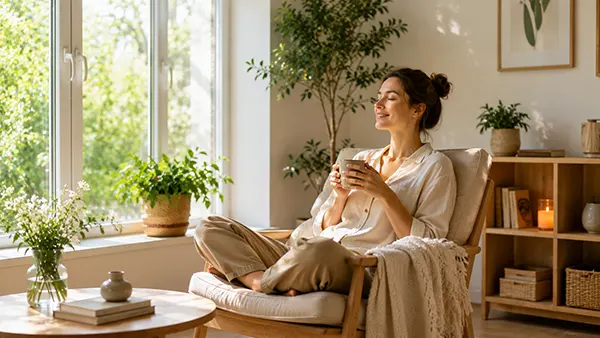
Natural light plays a particularly important role. Exposure to daylight supports healthy circadian rhythms, improves alertness during the day and helps regulate sleep patterns. Homes that maximise access to natural light frequently feel more welcoming and emotionally balanced.
Creating a Sense of Calm Through Design Choices
Calm interiors are not necessarily minimalistic. Instead, they tend to prioritise intentional organisation. Every object has a purpose or designated place, reducing visual noise and making the environment easier to navigate.
Textures contribute to emotional comfort as much as colours. Wood, cotton, wool and other natural materials often create a warmer atmosphere than synthetic surfaces. These materials can help make living spaces feel more inviting and less clinical.
Sound management is another often overlooked factor. Rugs, curtains, upholstered furniture and bookshelves can absorb excess noise. A quieter environment supports relaxation and reduces sensory overload, particularly in busy households.
How Interior Design Shapes Everyday Habits
Many daily behaviours are influenced by convenience. People are more likely to maintain positive habits when their environment supports them. For example, a clearly organised kitchen can encourage home cooking, while a comfortable reading corner may increase time spent with books instead of digital devices.
The placement of objects matters significantly. Items that are easily accessible tend to be used more frequently. This principle can be applied to exercise equipment, water bottles, planners or any tools connected to personal goals.
Interior organisation also affects household routines. Well-designed storage systems reduce the time spent searching for belongings and lower frustration during busy mornings. Small improvements in organisation often create cumulative benefits throughout the day.
Designing Spaces That Encourage Focus
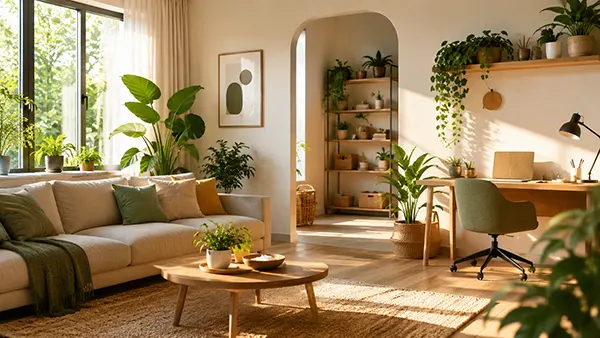
Remote and hybrid work have increased the importance of concentration-friendly interiors. Dedicated work zones help the brain distinguish between professional tasks and leisure activities, supporting productivity and work-life balance.
Visual distractions should be limited in areas intended for focused work. Clean desks, sufficient lighting and organised storage help reduce interruptions and make it easier to maintain attention for extended periods.
Ergonomic furniture is equally important. Comfortable seating, appropriate desk height and correct screen positioning reduce physical strain. When the body is comfortable, mental resources can be directed toward meaningful work rather than discomfort.
Building Long-Term Emotional Order at Home
Emotional order is not achieved through a single redesign project. It develops through consistent maintenance and thoughtful decisions about what enters the home. Regular decluttering helps prevent accumulation and keeps spaces functional over time.
Personal meaning should also be considered. Photographs, artwork and meaningful objects can strengthen feelings of belonging and identity when displayed intentionally rather than scattered throughout a room without purpose.
Flexibility is increasingly important in modern homes. Living spaces often serve multiple functions, including work, relaxation, exercise and social activities. Adaptable furniture and versatile layouts help accommodate changing needs without creating disorder.
Practical Steps for a More Balanced Living Environment
Start by identifying areas that create the most daily stress. These are often entryways, kitchens, wardrobes or workspaces. Addressing high-use areas first usually produces noticeable improvements in comfort and efficiency.
Evaluate each room according to its primary purpose. Furniture placement, lighting and storage should support the activities most frequently performed there. This approach helps create a stronger connection between the environment and desired behaviours.
Finally, focus on gradual improvements rather than perfection. Emotional order comes from consistency, functionality and personal comfort. When a home supports calm, attention and healthy routines, it becomes a valuable resource for overall well-being rather than an additional source of stress.