
Gastronomic Routes “Without Restaurants”: Markets, Bakeries, Street Food and How to Eat Locally Without Risk
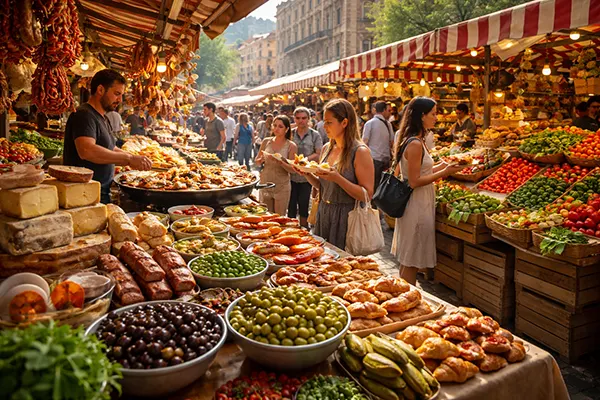
Across Europe in 2026, more travellers are choosing to build their food experiences outside formal dining rooms. Morning markets in Barcelona, neighbourhood bakeries in Lisbon, street food stalls in Palermo or Kraków — these are the places where daily life happens and where local flavours remain closest to their roots. Eating this way can be affordable, culturally rich and surprisingly diverse. At the same time, it requires awareness: hygiene standards vary, food safety rules differ by country, and popular spots are not always the safest ones. This guide explains how to plan gastronomic routes “without restaurants” and how to eat locally with confidence rather than guesswork.
Why Markets and Bakeries Reveal More Than Restaurants
Traditional food markets across Europe operate under municipal regulation and health inspection, often more frequently than small independent eateries. In cities such as Madrid (Mercado de la Paz), Florence (Mercato Centrale) or Budapest (Nagycsarnok), vendors must comply with EU food safety legislation, including traceability of products and temperature control standards. This means that fresh meat, dairy and seafood are monitored through documented supply chains — something travellers rarely see but benefit from.
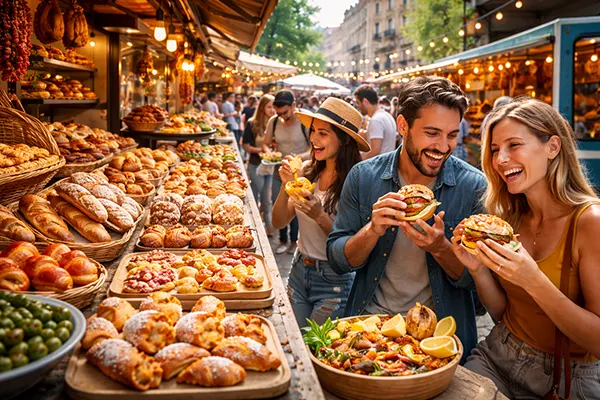
Bakeries offer another reliable window into local eating habits. In France, the label “boulangerie” legally requires bread to be produced on-site from raw ingredients. In Germany, regional baker guild standards still influence production quality. Buying from an established neighbourhood bakery, especially one busy with locals in the early morning, is often safer than grabbing packaged goods from an unknown convenience outlet.
Street food culture has also matured. Cities such as Copenhagen, Berlin and Amsterdam introduced licensing systems for food trucks that include hygiene audits and visible permit numbers. When a vendor displays certification or a municipal badge, it signals accountability. The absence of such information is a reason to pause.
How to Identify Safe and Authentic Vendors
Start with observation. A steady flow of local customers during standard meal times is usually a stronger indicator than online ratings. Locals tend to return where quality and safety are consistent. If queues move quickly and food turnover is high, ingredients are less likely to sit unrefrigerated for long periods.
Look at temperature management. Fresh fish should be displayed on ice; dairy and meat products must be stored in refrigerated units. Hot dishes should be visibly steaming or kept in heated containers above 60°C, in line with EU food hygiene guidance. If food appears lukewarm in open trays, it is better avoided.
Finally, trust transparency. Vendors who answer questions about ingredients, allergens and sourcing without hesitation are typically more reliable. Since 2014, EU Regulation No 1169/2011 requires clear allergen information. Even small stalls are expected to provide this verbally or in writing.
Planning a “No-Restaurant” Food Route in European Cities
Successful gastronomic routes begin with geography. Choose districts known for residential life rather than purely touristic centres. In Rome, Trastevere’s morning market differs significantly from stalls near major landmarks. In Athens, Varvakios Agora offers a broader and more authentic selection than kiosks around Syntagma Square.
Timing is critical. Markets function best in the morning, bakeries peak before 11 a.m., and many street food vendors open during lunch or early evening. Arriving at the right hour ensures fresher products and safer storage conditions. Late-day leftovers, especially in summer, carry higher risk.
Balance raw and cooked foods. Fresh fruits that can be peeled, hard cheeses, baked goods and grilled dishes prepared in front of you are generally safer choices. Be cautious with pre-mixed salads, raw seafood or dishes containing homemade sauces exposed to heat for long periods.
Budget, Sustainability and Local Impact
Eating outside restaurants often reduces daily food costs. In 2026, average lunch prices in Western European capitals range from £15–£25 in mid-range restaurants, while market-based meals can cost half that amount. This makes longer stays more financially manageable without compromising quality.
Supporting markets and small producers contributes directly to local economies. Many vendors source regionally, reducing transportation emissions. Farmers’ markets in cities like Vienna or Lyon prioritise seasonal produce, which tends to be fresher and less processed.
Waste reduction is another advantage. Buying exact portions, sharing dishes and avoiding oversized restaurant servings lowers food waste. Carrying a reusable container or cutlery set aligns with sustainability initiatives increasingly promoted by European municipalities.
Food Safety in 2026: What Travellers Should Know
European Union countries operate under harmonised food hygiene standards, but enforcement intensity varies by region. Northern and Western Europe generally maintain stricter inspection routines, while some Southern or Eastern areas may rely more on periodic checks. This does not mean lower quality — only that vigilance remains important.
Climate influences risk levels. During summer heatwaves, now more frequent due to climate change, perishable foods spoil faster. Seafood markets in coastal Spain or Italy are safest earlier in the day. In Central Europe, dairy-based pastries should ideally be consumed within hours of purchase.
Digital tools have improved transparency. Many cities publish hygiene ratings online, and QR codes at stalls increasingly link to inspection data. Checking official municipal resources rather than relying solely on travel blogs provides more accurate information.
Common Mistakes and How to Avoid Them
One frequent error is over-sampling. Tasting small portions from multiple stalls may seem harmless, but cumulative exposure increases risk. Stick to a few well-chosen vendors rather than trying everything in one visit.
Another mistake is ignoring water safety. In most EU capitals, tap water is potable, but in certain Balkan regions travellers may prefer bottled water for caution. Ice used in drinks should be made from safe water sources — when uncertain, ask directly.
Lastly, avoid assuming that popularity equals safety. Social media trends can create queues at visually appealing stalls that are unprepared for high demand. Hygiene discipline may decline under pressure. Observing preparation practices is always more reliable than following online hype.