
Inspiring Home Spaces: Creating a Corner for Work, Rest, and Creativity
Your living environment has a direct impact on your ability to stay focused, relaxed, and motivated. A well-organised corner can support productivity, help you unwind after a long day, and encourage creative thinking. In 2025, people increasingly tailor their interiors to match personal routines, blending comfort, ergonomics, and style.
Designing a Functional Work Corner
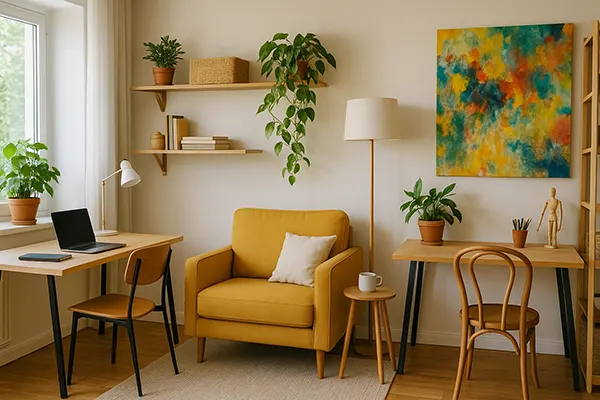
A dedicated work corner helps separate professional tasks from everyday life. Choose a well-lit area, ideally close to a window, to protect your eyes and maintain energy levels throughout the day. A supportive chair and an adjustable desk remain essential for healthy posture and long-term comfort.
Organisation plays a key role in maintaining focus. Use shelves, wall organisers, or compact drawers to sort documents and accessories. This prevents unnecessary clutter and shortens the time spent searching for tools or materials. A tidy environment also reduces distractions and supports clear thinking.
Add personal touches, such as framed photos or a plant, to bring character to the space without overwhelming it. These subtle details make the work area feel welcoming while keeping the overall layout purposeful and practical.
Maintaining Workflow Through Thoughtful Layout
The arrangement of your workspace influences efficiency. Place frequently used items within arm’s reach to avoid unnecessary movement and maintain concentration. Keep cables organised using clips or braided sleeves to ensure a neat visual appearance.
Using neutral colours or soft natural tones helps reduce visual fatigue. Strong contrasts or overly dynamic shades may interrupt your focus. A simple colour palette creates a calm backdrop that supports sustained attention.
Consider integrating small acoustic improvements if your home is busy. Felt panels, rugs, or fabric curtains reduce noise levels, allowing you to work without constant interruptions. These improvements enhance overall comfort without requiring major renovations.
Creating a Rest Corner for Everyday Balance
Restful areas help your mind switch off after work. Choose a quiet section of your home and add elements that support relaxation, such as a comfortable armchair, soft lighting, or a warm throw. This space should feel separate from your work environment to allow your body to decompress naturally.
Lighting plays an essential role in setting the mood. Warm, low-intensity lamps encourage relaxation and reduce evening stress. Adjustable lamps or dimmable bulbs help you adapt the atmosphere to different moments, from reading sessions to quiet reflection.
Textures enhance the sense of comfort. Combine a soft rug, natural fabrics, and gentle colours to develop a soothing environment. Materials such as linen, cotton, or wool bring tactile warmth and help you unwind more easily.
Supporting Well-being Through Mindful Choices
Adding elements of nature helps stabilise emotional balance. Indoor plants improve air quality and introduce a calming visual presence. Choose low-maintenance species if you prefer minimal care, ensuring the space remains effortless to maintain.
Personal rituals make the rest corner more meaningful. Whether it is reading, listening to gentle music, or drinking tea, consistent habits signal to your body that it is time to relax. This strengthens the boundary between work and leisure.
Keep digital devices out of this area whenever possible. Reducing exposure to screens helps your eyes and mind recover from the demands of the day. This creates a healthier evening routine and improves sleep quality.
Building a Creative Corner for Ideas and Expression
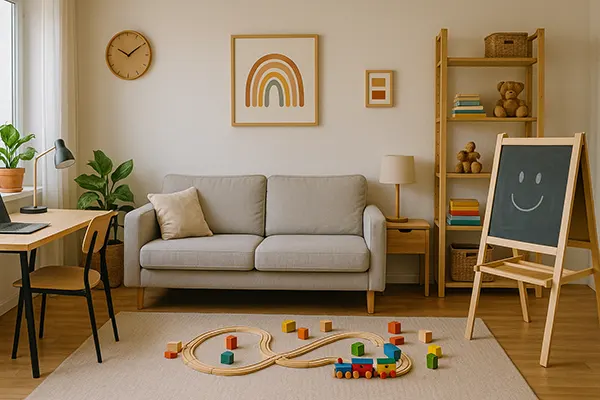
A creative corner should inspire exploration. Choose a part of your home where you feel free to experiment without worrying about clutter or noise. This might be a small table, a windowsill, or a section of a larger room arranged for spontaneous ideas.
Practical storage helps keep your tools accessible. Boxes, jars, or pegboards allow you to organise art supplies, notebooks, instruments, or craft materials. When everything has its place, creativity flows more naturally.
Light is particularly important in creative work. Natural daylight strengthens colour perception and supports sustained engagement. When daylight is limited, use adjustable lamps that replicate a neutral light tone.
Encouraging Imagination Through Atmosphere
Colours and textures can spark inspiration. Soft pastels, natural timber, or handmade elements add character without overwhelming your senses. A comfortable seat and supportive table height ensure you can create for long periods without discomfort.
Displaying your work helps maintain motivation. Frames, shelves, or cork boards allow you to show sketches, ideas, and ongoing projects. This visual feedback strengthens your connection to the creative process.
Finally, ensure your creative corner remains flexible. Over time, your interests may change, and the space should adapt easily. Modular furniture, movable storage, and adjustable lighting make it possible to evolve your environment without major effort.