Trend 2025: “Quiet Sobriety” in Showbiz — Why Stars Are Walking Away from Alcohol and How It’s Changing Parties and Brands
In 2025, the most noticeable shift in celebrity nightlife isn’t a new VIP venue or a flashier bottle service ritual — it’s the absence of alcohol. A growing number of artists, actors, presenters and influencers are choosing to stay sober or drink less, but without turning it into a public campaign. This “quiet sobriety” is reshaping how afterparties are hosted, how tours are managed, and how brands negotiate sponsorships in an industry that has long treated alcohol as part of the show.
Why “quiet sobriety” has become a mainstream choice in 2025
The first driver is simple: health is no longer a private topic for public figures. In 2025, celebrities are expected to perform at peak level across demanding schedules — filming days, travel, rehearsals, interviews, live shows — and alcohol clashes with that reality. A late-night party may still happen, but the cost shows up the next day in reduced energy, voice strain, poor sleep and slower recovery. For many people in entertainment, cutting alcohol is less about morality and more about protecting their ability to work.
The second driver is brand safety and image control. The camera is always on, and one messy moment can dominate headlines longer than an award win. “Quiet sobriety” offers a practical solution: you can still attend events, still network, still be seen — but you reduce the risk of being photographed or recorded while intoxicated. For celebrities who rely on long-term partnerships, this is not a minor detail; it’s a way to lower reputational volatility.
Third, the culture around sobriety has softened. In past decades, refusing a drink could trigger intrusive questions. In 2025, alcohol-free choices are normal in many social circles, especially among younger audiences. That cultural acceptance matters in showbiz, where trends often begin with early adopters and then become standard etiquette. What’s new is the quietness: fewer public declarations, more practical routines.
The shift isn’t about banning alcohol — it’s about changing the default
Quiet sobriety doesn’t mean every star is “never drinking again.” It often means being selective: skipping alcohol during tours, choosing it only for private celebrations, or replacing it at public events. The point is control, not performance. This approach is attractive because it avoids identity labels and doesn’t invite debate.
This is also why alcohol-free options are no longer treated as “special requests.” At many 2025 industry events, organisers plan for them from the start: alcohol-free sparkling wine for toasts, non-alcoholic spirits for signature cocktails, and beer alternatives that don’t feel like a compromise. The social ritual remains — only the contents change.
And the economics support it. According to IWSR analysis, the no/low alcohol category across key markets is expected to grow through 2028, with no-alcohol products driving the biggest volume growth and adding more than US$4 billion in incremental value by 2028. This market momentum is one reason showbiz decision-makers are taking quiet sobriety seriously rather than treating it as a passing fashion.
How parties, tours and venues are adapting in 2025
Backstage culture is changing first, because it’s where the schedule pressure is highest. On tours, alcohol used to be a default “reward” after a show; now many teams prioritise recovery. Riders increasingly include alcohol-free beers, zero-proof spirits, electrolyte drinks, and functional alternatives. Some crews also plan post-show routines around food and calm spaces instead of drinking, which reduces conflicts and improves next-day performance.
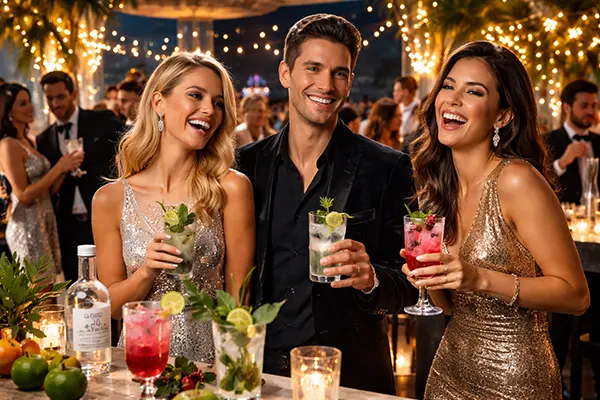
Red-carpet events and premieres are also evolving. Hosts still want glamour, but they’re less dependent on alcohol as the centrepiece. Instead of focusing on champagne towers, events highlight curated drink menus that include premium alcohol-free options. The goal is to keep the vibe high while making sure guests can leave in control. In practical terms, it also reduces security issues, medical incidents and unwanted viral footage.
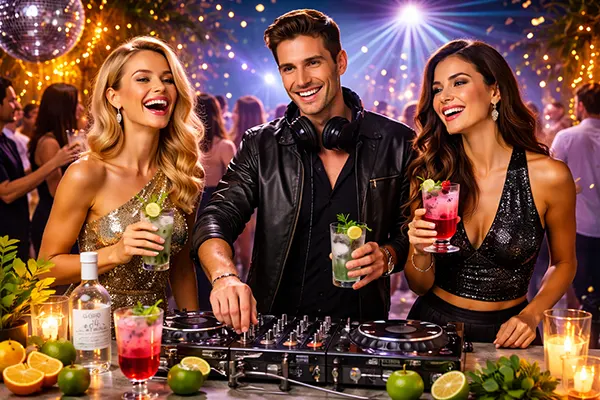
Nightlife venues are adapting because demand is visible at the bar. In 2025, alcohol-free cocktails are expected to be made with the same care as classic drinks — proper glassware, balanced flavour, and premium ingredients. This isn’t only about wellness; it’s about revenue. Alcohol-free drinks can carry strong margins if they’re positioned as crafted products rather than “cheap soft drinks.”
Alcohol-free doesn’t mean “less fun” — it means a different event design
In 2025, the strongest events are built around experience rather than intoxication. DJs, live acts, interactive installations, themed food, and short-format performances give guests energy without needing alcohol as a social lubricant. This is especially relevant in celebrity circles where the room is full of strangers, cameras and business conversations.
Timing matters too. More “quiet sobriety” events start earlier and end earlier, which suits both high-profile guests and staff. A 7pm–11pm schedule allows people to network, be photographed, and still protect the next day. You can see this trend in afterparties tied to fashion weeks, film festivals, and music awards where the guest list includes people who need to work the next morning.
Finally, venues are learning to treat sobriety as hospitality. That means clear menu sections for alcohol-free drinks, trained bartenders who understand zero-proof spirits, and staff who don’t pressure guests. Small details — like offering alcohol-free sparkling for a toast without making it “the odd option” — change the whole tone of the room.
How brands and sponsorship deals are changing because of quiet sobriety
Alcohol brands have long used celebrities to sell lifestyle: the afterparty photo, the bottle in hand, the association with success. In 2025, that formula still exists, but it faces more friction. Some celebrities now refuse alcohol partnerships entirely, while others insist on strict boundaries: no visible drinking, no “party too hard” messaging, and no content that suggests alcohol is required for confidence or social success.
At the same time, alcohol-free brands are gaining legitimacy. Market forecasts show growth in alcohol-free beer and spirits categories, and brands are investing heavily in taste, packaging and storytelling. For sponsors, quiet sobriety is a new lane: you can still attach your product to glamour, music, fashion and sport — but with a healthier and more controlled image.
This shift also affects how campaigns are measured. Brands are less focused on shock-value party content and more focused on sustained engagement: behind-the-scenes footage, wellness routines on tour, “day-after” readiness, and real-life compatibility with demanding schedules. Quiet sobriety content performs well because it feels realistic, not performative.
What smart brands are doing in 2025 to stay relevant
The most successful brands are building dual strategies: they still support traditional alcohol moments, but they also create alcohol-free equivalents that don’t feel secondary. That includes premium alcohol-free spirits, well-designed RTDs, and collaborations with bartenders who can make a zero-proof signature serve that looks and tastes like a proper cocktail.
Brands are also changing the language. In 2025, campaigns increasingly avoid framing alcohol-free living as punishment or restriction. Instead, they focus on clarity, performance, creativity and control — values that fit showbiz culture. This messaging resonates with audiences who admire celebrities not only for their talent, but also for discipline and stamina.
Finally, sponsorship models are becoming more flexible. Some events now partner with both alcohol and alcohol-free brands, giving guests choice without splitting the room. Others build a “no/low” concept into the event identity, making it a talking point that attracts press coverage and a wider audience. Quiet sobriety is no longer a niche trend — it’s a commercial reality, and 2025 is the year showbiz is adapting at scale.