Travel for Silence: Destinations for Holidays Without Noise, Queues and Nightlife
For many travellers in 2026, a successful holiday is no longer linked to crowded resorts, loud beach bars or packed tourist streets. A growing number of people are choosing quiet destinations where they can slow down, sleep properly, spend time outdoors and avoid the constant pressure of busy urban life. This trend has become especially visible after years of overtourism in Europe and the rising popularity of remote work, which changed expectations around rest and personal comfort. Travelling for silence is now associated with better mental recovery, healthier routines and more meaningful experiences connected to nature, local culture and privacy.
Remote Coastal Areas Without Mass Tourism
Several coastal regions across Europe have managed to preserve a calm atmosphere despite the growth of international tourism. Parts of northern Scotland, western Ireland and the Alentejo coastline in Portugal remain noticeably quieter than Mediterranean resort areas. These locations attract visitors looking for hiking routes, sea air and small guesthouses instead of nightlife districts and crowded entertainment zones. Even during summer, many villages in these regions maintain a slower daily rhythm.
One reason these destinations remain peaceful is the limited concentration of large hotel complexes. Accommodation is often represented by family-owned cottages, countryside inns or eco-lodges with a small number of rooms. In areas such as County Donegal in Ireland or the Isle of Mull in Scotland, travellers spend more time outdoors than inside commercial entertainment centres. Local cafés, fishing harbours and walking trails replace shopping streets and beach clubs.
Transport accessibility also influences the atmosphere. Places requiring additional train journeys, ferries or regional roads naturally receive fewer short-term visitors. In Portugal’s Alentejo region, for example, many beaches are separated by natural reserves and cliffs, reducing excessive tourist flow even in peak season. As a result, visitors can enjoy long walks, quieter accommodation and uncrowded restaurants without needing luxury budgets.
Why Quiet Coastal Holidays Are Becoming More Popular
One important factor behind this trend is growing awareness of stress-related health issues. Constant exposure to traffic noise, nightlife and overcrowded tourist centres often leaves travellers more exhausted after holidays than before them. Quiet coastal destinations provide a different type of rest where the focus shifts towards sleep quality, slower routines and outdoor activities with minimal distractions.
Digital fatigue has also changed travel habits. Many professionals now spend most of the year in front of screens, online meetings and crowded city environments. Because of this, holidays focused on silence and reduced stimulation have become more attractive than traditional entertainment-based tourism. Destinations with weak mobile coverage or limited commercial activity are increasingly viewed as advantages rather than inconveniences.
Environmental concerns also influence travel choices in 2026. Travellers often prefer locations supporting sustainable tourism rather than destinations struggling with overcrowding and excessive construction. Smaller coastal regions usually place greater restrictions on large tourism projects, helping preserve beaches, wildlife areas and local communities. This creates a more balanced atmosphere for both residents and visitors.
Mountain Regions Suitable for Complete Relaxation
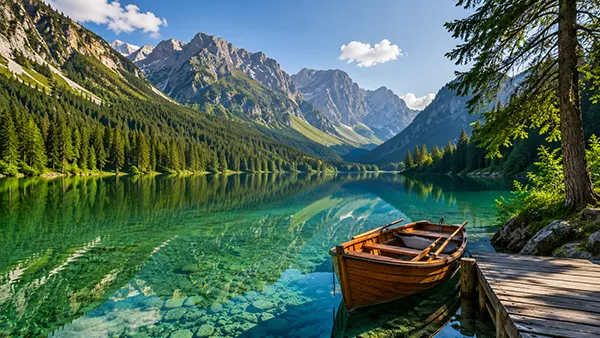
Mountain destinations continue to attract travellers seeking calm environments away from urban noise. However, not all alpine or hiking regions offer the same level of tranquillity. While famous ski resorts remain busy throughout the year, lesser-known mountain areas in Slovenia, Norway, Romania and Austria provide quieter alternatives with smaller visitor numbers and more open natural landscapes.
The Julian Alps in Slovenia have become especially popular among travellers interested in peaceful outdoor holidays. Unlike heavily commercialised ski centres, many villages around Triglav National Park focus on walking tourism, cycling and nature observation. Accommodation options are usually smaller and integrated into the local environment rather than concentrated in large tourism districts.
Norway also remains one of Europe’s strongest destinations for silence-oriented travel. Regions such as Senja Island or inland fjord villages attract people searching for isolation, hiking routes and minimal commercial activity. Strict environmental policies, low population density and vast protected areas help maintain a calm atmosphere even during tourist seasons. In many places, travellers can spend hours outdoors without encountering crowds.
Activities That Fit Calm Mountain Holidays
Unlike traditional resort tourism, quiet mountain holidays focus less on entertainment schedules and more on flexible outdoor routines. Hiking remains the most common activity, though travellers increasingly choose shorter scenic walks instead of physically demanding routes. Slow travel has become more important than intensive sightseeing, especially for visitors looking to reduce stress.
Nature photography and wildlife observation have also gained popularity. Regions with low tourist density often provide better opportunities to observe birds, mountain animals and seasonal landscape changes without disturbance. In parts of Romania’s Carpathian Mountains, visitors can join guided wildlife tours organised by local conservation specialists instead of commercial tourism companies.
Wellness tourism has developed strongly in quieter mountain regions as well. Small spa hotels in Austria and Slovenia increasingly combine traditional thermal treatments with silent relaxation areas, forest walks and locally sourced food. Instead of large entertainment facilities, these places focus on recovery, healthy sleep and low-stimulation environments that appeal to travellers seeking genuine rest.
Islands and Countryside Destinations With Minimal Crowds
Not every quiet holiday requires mountains or remote northern coastlines. Smaller islands and rural countryside areas across Europe also offer calm conditions without excessive tourism infrastructure. Islands with limited airport access or strict development regulations usually avoid the overcrowding associated with mass tourism destinations.
The Azores in the Atlantic Ocean remain one of the clearest examples. Although tourism has grown steadily, several islands within the archipelago still maintain low visitor density and strong environmental protections. Travellers typically visit for volcanic landscapes, hiking paths, whale watching and thermal springs rather than nightlife or shopping districts. The atmosphere remains noticeably quieter than in mainland resort areas.
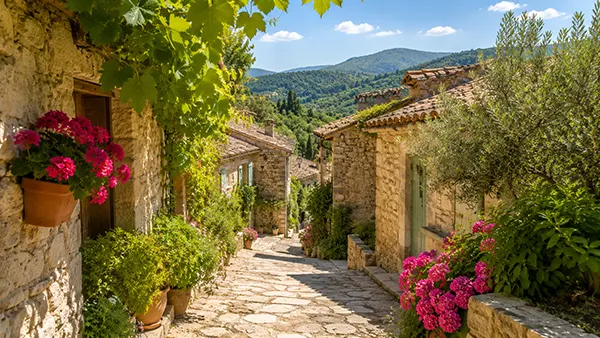
Rural areas in France, particularly parts of Dordogne and Auvergne, continue to attract visitors interested in countryside accommodation and slower travel routines. These regions combine historical villages, local food traditions and open landscapes without the intense seasonal tourism seen in Paris or the French Riviera. Small-scale accommodation and local markets create a more relaxed travel experience focused on daily life rather than organised attractions.
How to Plan a Holiday Focused on Silence
Choosing the right travel period remains one of the most effective ways to avoid crowds. Even calm destinations become busier during school holidays and major public events. Travelling in late spring or early autumn often provides better weather conditions, lower accommodation prices and quieter public spaces compared with peak summer months.
Accommodation selection also plays a major role. Travellers looking for silence increasingly avoid large resorts and instead choose countryside guesthouses, cabins, eco-lodges or adult-only hotels located outside city centres. Reading recent guest reviews carefully helps identify places with genuinely quiet surroundings rather than accommodation that simply markets itself as peaceful.
Transport planning can influence the entire experience as well. Destinations accessible only through multiple transfers or regional routes usually receive fewer short-stay tourists. Travellers focused on calm environments often prioritise slower journeys by train, ferry or car instead of choosing heavily trafficked airport hubs. In many cases, the journey itself becomes part of the relaxation process rather than a stressful transition.